
The Bank that Never Stopped Printing Money
When Jim Hohnstein bought his laundromat 15 years ago, he inherited something most operators would consider a liability: a 16-by-16-foot bank vault with 24-inch-thick brick walls, sitting dead center in his 2,000-square-foot space. Most people would have torn it out immediately. Hohnstein kept it.
The Bank that Never Stopped Printing Money
Jim Hohnstein turned a 1907 bank building into a thriving laundromat by never settling for good enough. His secret? Always planning the next remodel.
When Jim Hohnstein bought his laundromat 15 years ago, he inherited something most operators would consider a liability: a 16-by-16-foot bank vault with 24-inch-thick brick walls, sitting dead center in his 2,000-square-foot space. Most people would have torn it out immediately. Hohnstein kept it.
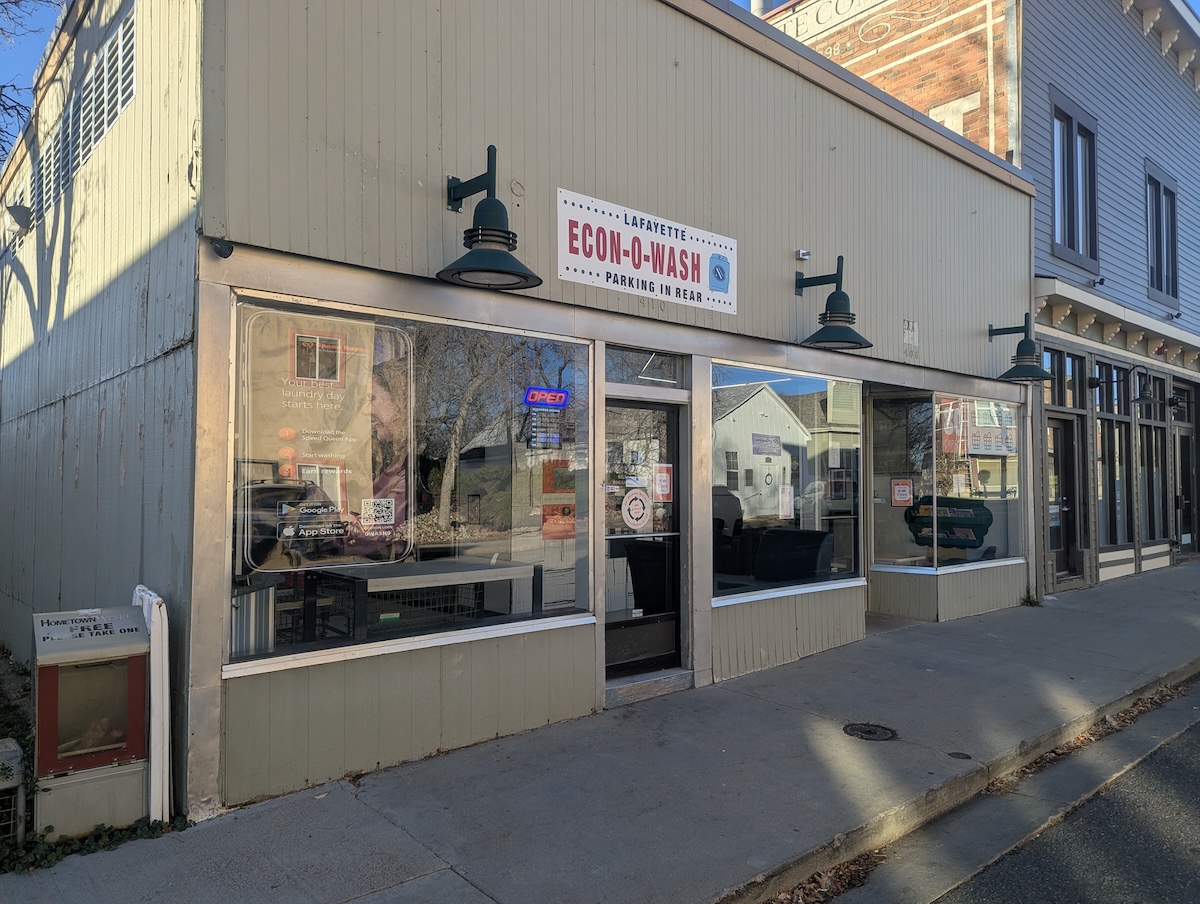
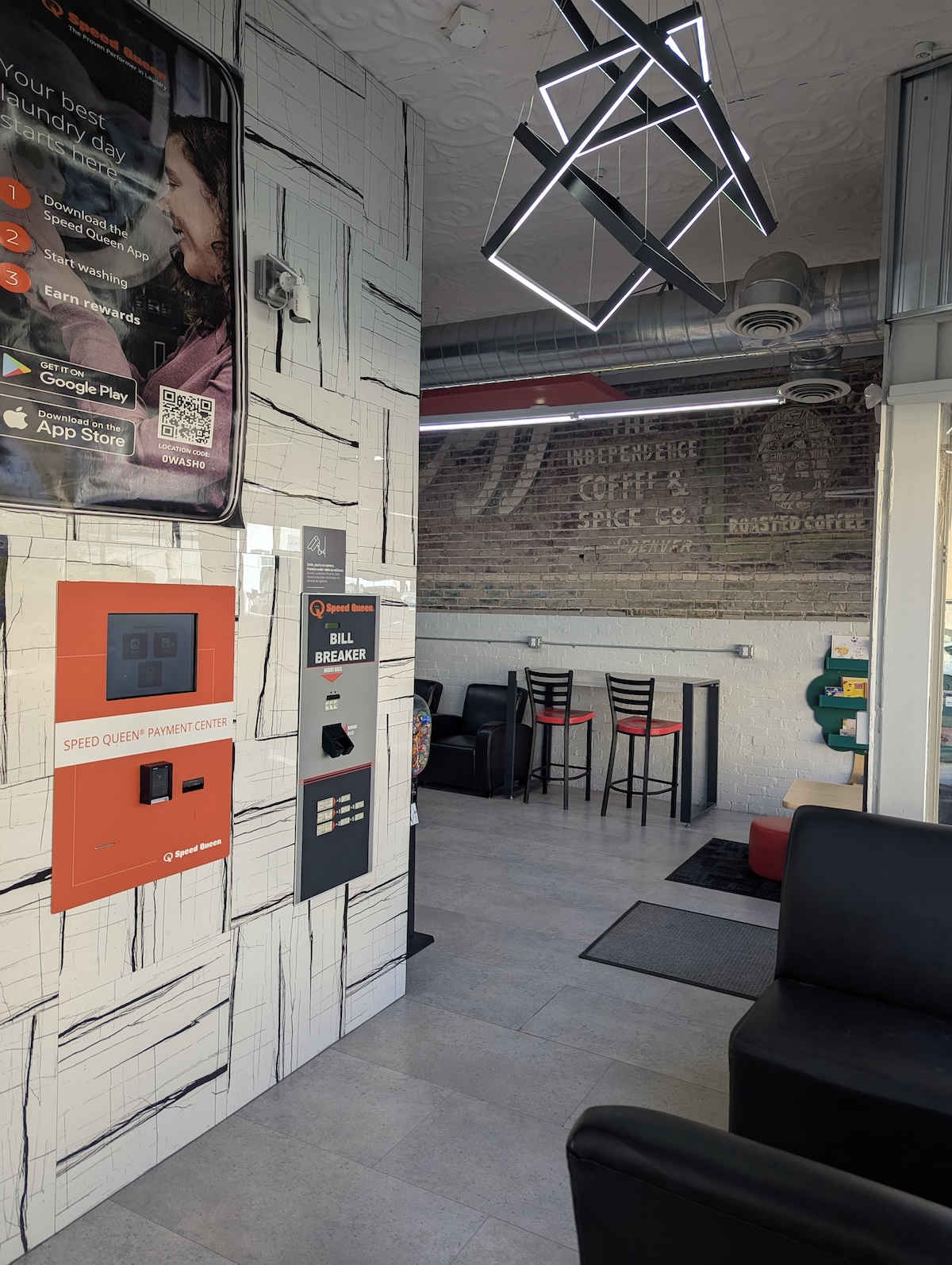
Today, that vault has become part of his laundromat’s character — a quirky reminder of the building’s past life that customers notice and remember. It’s exactly the kind of detail that drives people 35 miles one way to do their laundry at Hohnstein’s unattended store in Lafayette, Colo.
But the vault is just one piece of a much larger philosophy that has defined Hohnstein’s four-decade career in the laundry industry: constant improvement, relentless attention to customer experience and an unwavering belief that standing still means falling behind.
From Distribution to Ownership
Hohnstein’s journey into laundromat ownership began in 1972 when he started in the distribution business. For decades, he helped other operators design their stores, select equipment mixes and create customer experiences. But he never imposed his aesthetic on them.
“I used to tell people that I’ll help them figure out what mix of equipment will work in their store, but they get to choose their own palette of colors and do what they want to do with their store,” Hohnstein said. “Nobody’s ever gone into a store and recreated a new store, color for color, layout for layout. But it gave them the inspiration to think about what they could do that’s different.”
When the opportunity came to buy his current location, Hohnstein finally got to implement all those years of accumulated wisdom himself. The building, originally constructed in 1907 and rebuilt after a fire in 1909, had been operating as a laundromat since the late 1960s. It was known locally for having the coldest soda vending machine in Lafayette — not necessarily for the quality of its laundry services.
“Nobody ever said how good of a laundromat it was, but they liked the cold sodas,” Hohnstein said.
The location had one major advantage: it included the water tap. But the store itself was outdated, packed with old equipment and in desperate need of renovation. Hohnstein closed it down for a year and remodeled about half of the business. He rented out the other half to generate income during construction.
“The story I tell is that I would rent it, and usually the first three to four months, the rent was on time,” Hohnstein said. “And then the reality set in that whatever they put in there wasn’t working too well.”
He convinced his wife that they could do better. He took out the dividing wall and expanded into the full space, creating the laundromat he operates today.
The Experience Differentiator
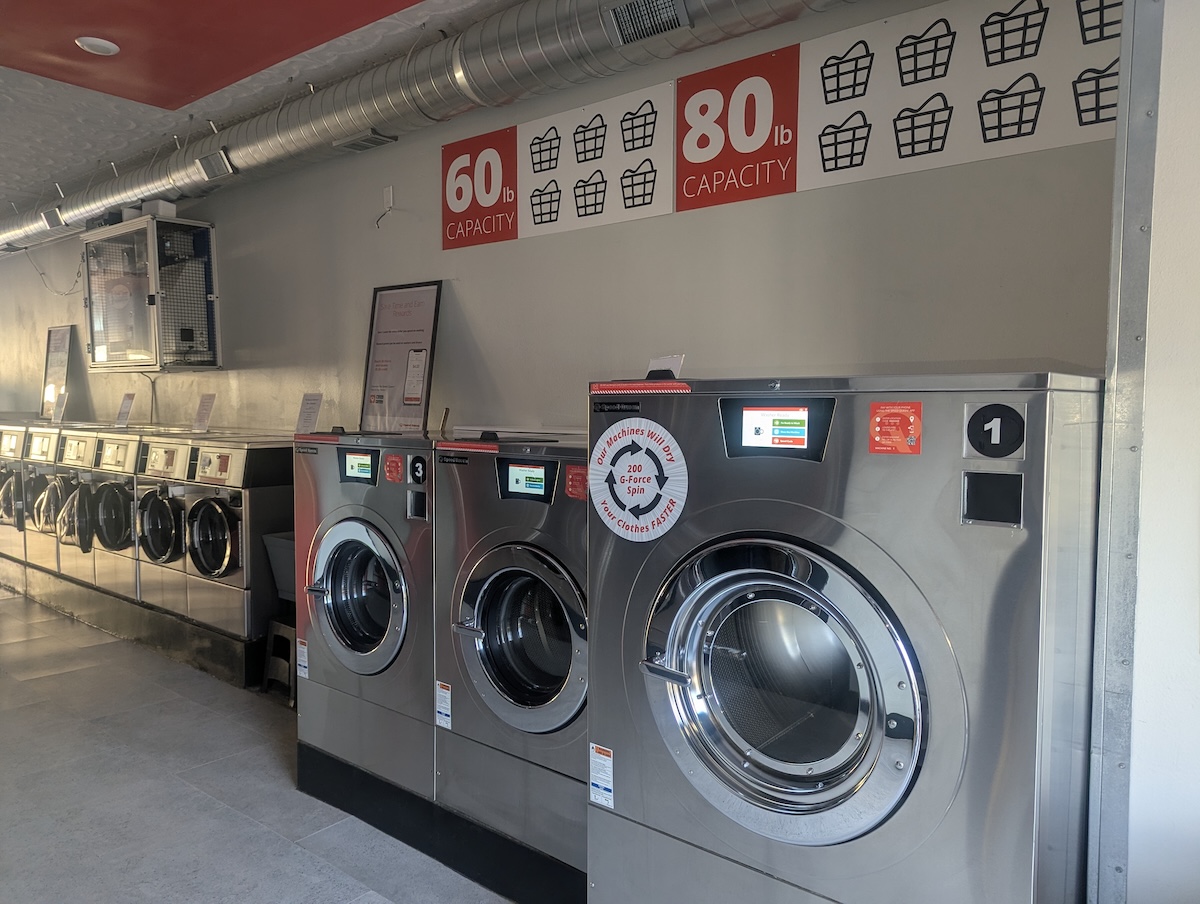
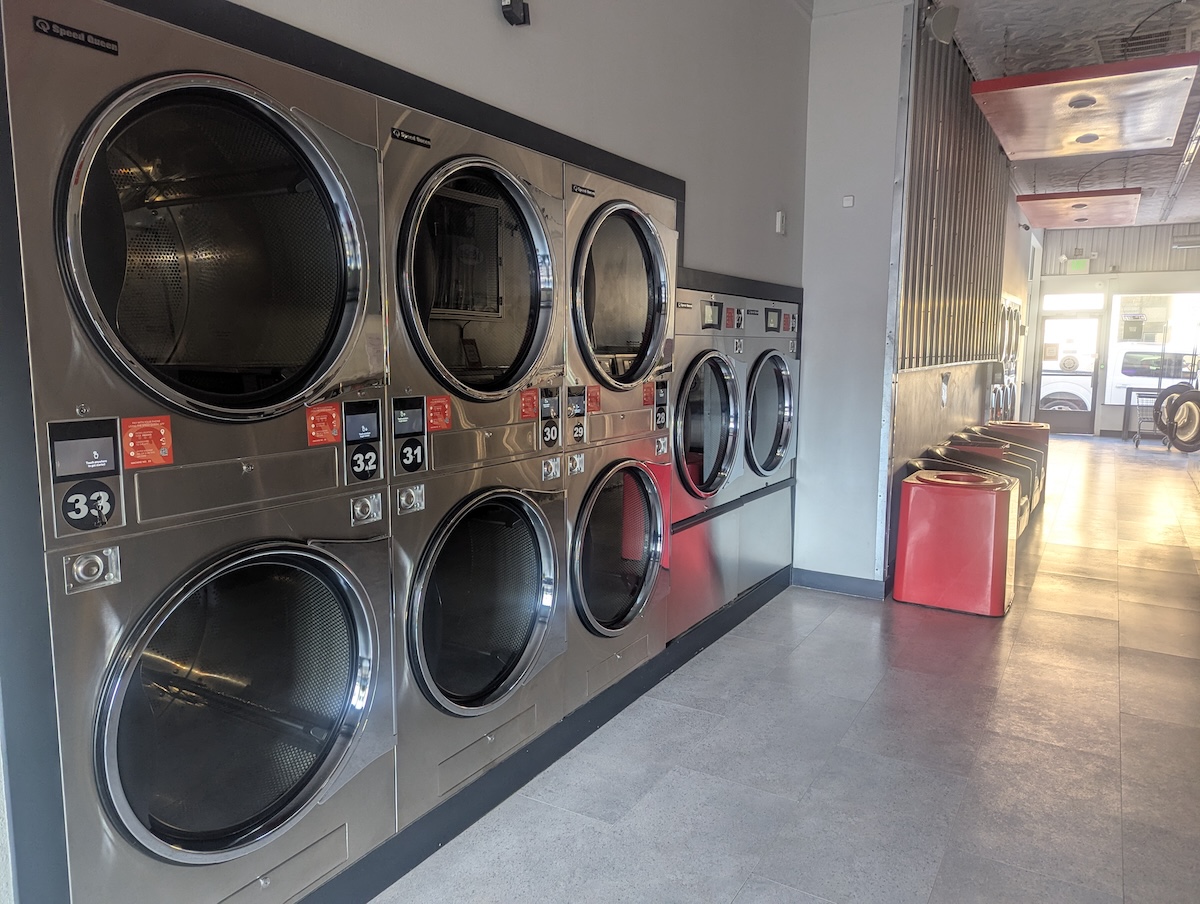
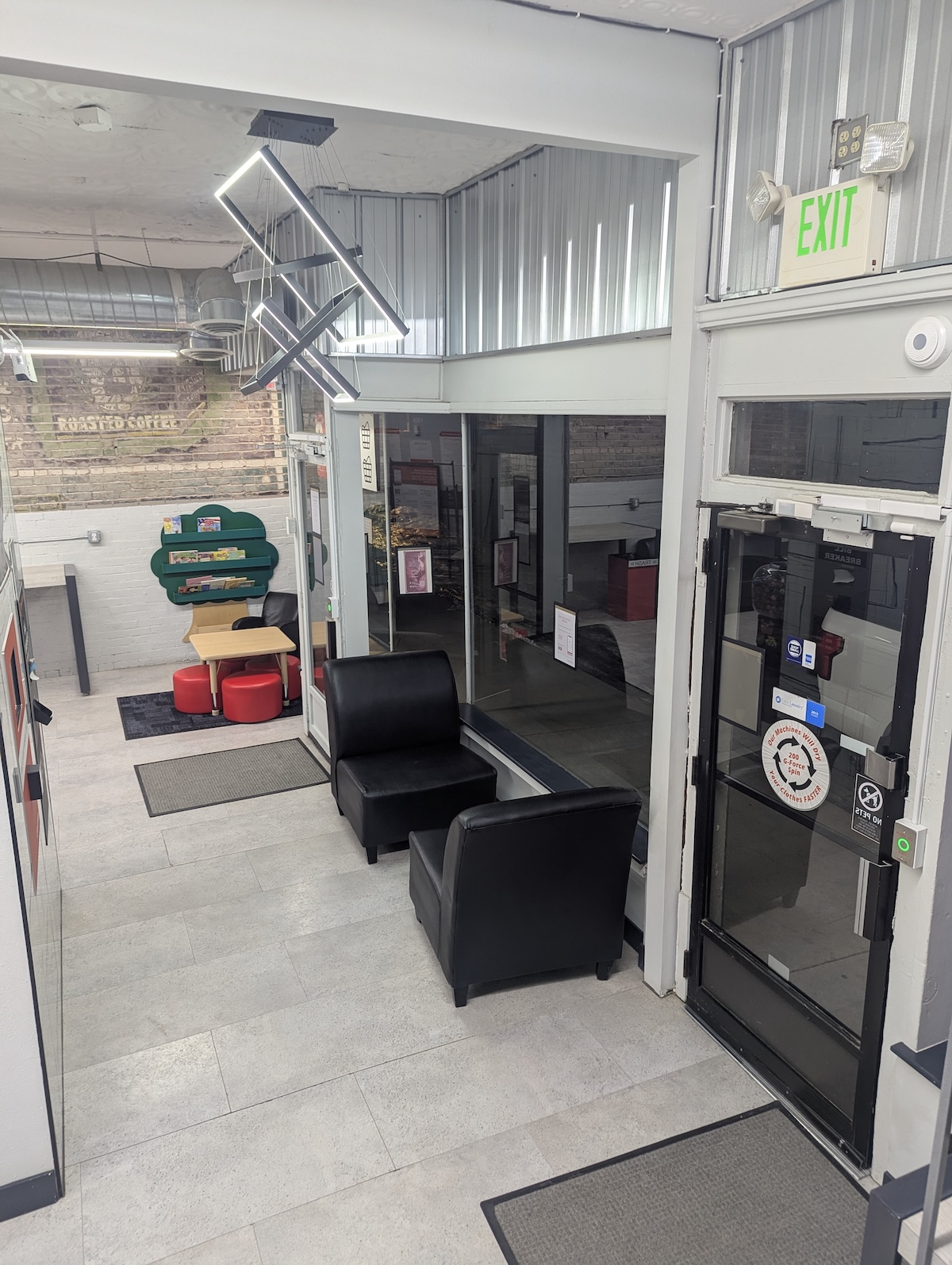
Walk into Hohnstein’s laundromat today and you’ll find 17 washer extractors, 16 dryers, eight folding tables at different heights, comfortable seating that isn’t bolted down, a children’s book library and a tabletop Ms. Pac-Man arcade game that’s free to play. The original tin ceiling from 1907 stretches 11 feet overhead, and one exposed brick wall reveals the vault’s construction.
Every folding table except one has outlets for cell phones and USB charging ports. Customers can choose how to arrange the movable seating. And perhaps most importantly, every machine offers ozone sanitization at no additional charge.
“One of my favorite stories is of a little girl with long, curly hair who is just reading up a storm on this book,” Hohnstein said. “I went over to her and asked if she could read a book to me. She looked up at me and said, ‘I don’t know how to read.’ And I thought that is so great because that’s what this is about, getting young children to have an interest in reading.”
It’s these details — from the ozone system to the Ms. Pac-Man game to the children’s library — that create what Hohnstein calls an “awesome customer experience.” And it’s working. One customer drives 35 miles one way just to use his store.
“A lot of people like our ozone system,” Hohnstein said. “I offer it on all my machines at no additional upcharge.”
The ozone system wasn’t cheap, and it requires maintenance. But Hohnstein considers it one of the best investments he’s ever made to differentiate his business.
Technology Enabling the Human Touch
Operating an unattended store doesn’t mean abandoning customer service. In fact, Hohnstein has leveraged technology to deliver what he calls “customer service as if it was an attended store.”
When a customer calls with a problem — a machine that didn’t extract properly, a wash that didn’t come out clean — Hohnstein can remotely mark machines out of order, run additional cycles at no charge, or even issue refunds through his bill breaker, all without driving to the store.
His payment system accepts credit cards, mobile apps and cash through a payment center. Customers who download the app receive rewards based on their washing machine spending. The average customer balance on the app sits at just over $4, suggesting people appreciate the convenience without feeling locked into a large prepaid amount.
The store’s hours — 5 a.m. to midnight — are controlled by automated door locks and lighting systems. Hohnstein no longer has to physically open and close the store, freeing him from one of the biggest time commitments of laundromat ownership.
“I’m not in this business to buy myself a job,” Hohnstein said.
The next technology on his radar is AI-powered phone answering services. He’s convinced this represents the monumental advancement currently available to laundromat operators.
“I don’t want to be the guy answering the phone for anything,” Hohnstein said. “From an AI standpoint, that’s the greatest thing I’ve heard about that is available to us now in different forms that everybody should consider.”
Always Planning the Next Remodel
Spend any time talking with Hohnstein and one theme emerges clearly: he never stops thinking about what’s next. He’s currently planning to reconfigure the store to add additional large front-load machines. He’s exploring pickup and delivery services, though he plans to limit the types of items he’ll handle to maintain quality and profitability. He’s considering installing two computers for children with educational content and no internet access.
And he’s constantly studying other businesses — particularly fast-food restaurants — to understand how they create experiences that keep customers coming back.
“I love going to a new fast-food restaurant, not for the food, but just to see what the heck they’re doing,” Hohnstein said. “The lighting, the seating, the colors that they have. It’s just a never-ending type of scenario.”
This philosophy of continuous improvement isn’t just about adding new equipment or features. It’s about maintaining relevance in a changing market and ensuring his store remains a destination worth driving to.
“If I can get you to come to my laundromat and you see enough things that excite you, you are going to tell your friends and your relatives about this laundromat,” Hohnstein said. “And that doesn’t cost me anything.”
When asked for advice he’d give other operators, Hohnstein didn’t hesitate: “Start planning your next remodel. There’s always something you can do or add to an existing laundromat, whether you opened it up today or 20, 30 or 40 years ago.”
He recommends operators remodel every five to seven years, following the example of major fast-food chains that constantly refresh their spaces to stay competitive.
“You have to change all the time,” Hohnstein said. “It could be a new size of equipment. It could be a dryer that uses a heat pump to dry. There are tons of options. But be aware that those are going to happen, and laundromats are just a consolidator of all kinds of things.”
The Future of the Industry
Looking ahead, Hohnstein sees opportunity in commercial laundry services. He believes successful laundromats should dedicate up to 20% of their space to true on-premise commercial operations — not just using retail machines for business customers, but investing in commercial equipment with programmable cycles and automatic chemical injection.
“You need to perform as a commercial-type operation,” Hohnstein said. “You need a dryer that you can put sheets into and process them, not a 30- or 45-pound dryer with limitations. You need to get more production per employee hour for doing commercial laundry than what you do for the home people who come in.”
His vision for the future extends even further. He imagines a day when artificial intelligence could guide customers to the optimal machines for their loads, suggest alternatives when equipment is busy, and even adjust pricing dynamically to encourage load balancing.
“A robot will take the knowledge it has and what it learns in your space to help guide people on where to go,” Hohnstein said. “And instead of them waiting for a machine, it can suggest, ‘Instead of waiting for an 80, let’s do two 40s or three 30s.’ That is artificial intelligence that we don’t have yet, but it’s going to happen someday.”
Until that future arrives, Hohnstein will keep doing what he’s always done: looking for the next improvement, studying other industries for inspiration, and ensuring his 1907 bank building continues to create experiences that keep customers coming back.
The vault stays. But everything else? That’s always up for revision.
To anyone who knows him, it’s no surprise at all.
Related Posts
-
PodcastCuriosity and Mentors Make the Difference for Two Women in Laundry Service
In this episode of Full Cycle, Matt DeWolf sits down with two women who have built long careers on the service and maintenance side of the laundry industry: Jennifer Gonzalez, Senior Manager of Servic…
2 min read -
Member SpotlightBuilding for the Long Run: How One Long Island Operator Turned Strategic Thinking into Three Thriving Stores
Joseph Musheyev didn’t stumble into the laundry business. The Long Island storeowner came in with intention, armed with research and a clear-eyed understanding that success in this industry depends as…
6 min read -
NewsCLA Advocacy Has Saved Laundromat Owners and Customers $7.4 Billion, Report Finds
Two decades of work in statehouses and Washington kept taxes, mandates and shutdown orders from raising costs across the industry
CLA Advocacy Has Saved Laundromat Owners and Custome…
3 min read