
From the Front Desk to the Plant Floor: CleanCloud’s Physical Evolution
A few months ago, I stood in the back of a high-volume wash-dry-fold operation in New Jersey and watched an employee wrestle with a faded barcode on a 30-pound duffel bag. She tilted the tag under a fluorescent light, angled a handheld scanner three different ways, then finally typed the order number in manually…
From the Front Desk to the Plant Floor: CleanCloud’s Physical Evolution
A few months ago, I stood in the back of a high-volume wash-dry-fold operation in New Jersey and watched an employee wrestle with a faded barcode on a 30-pound duffel bag. She tilted the tag under a fluorescent light, angled a handheld scanner three different ways, then finally typed the order number in manually. Behind her, four more bags waited. It took maybe 90 seconds, but multiply that across hundreds of orders a day and the maths gets painful fast.
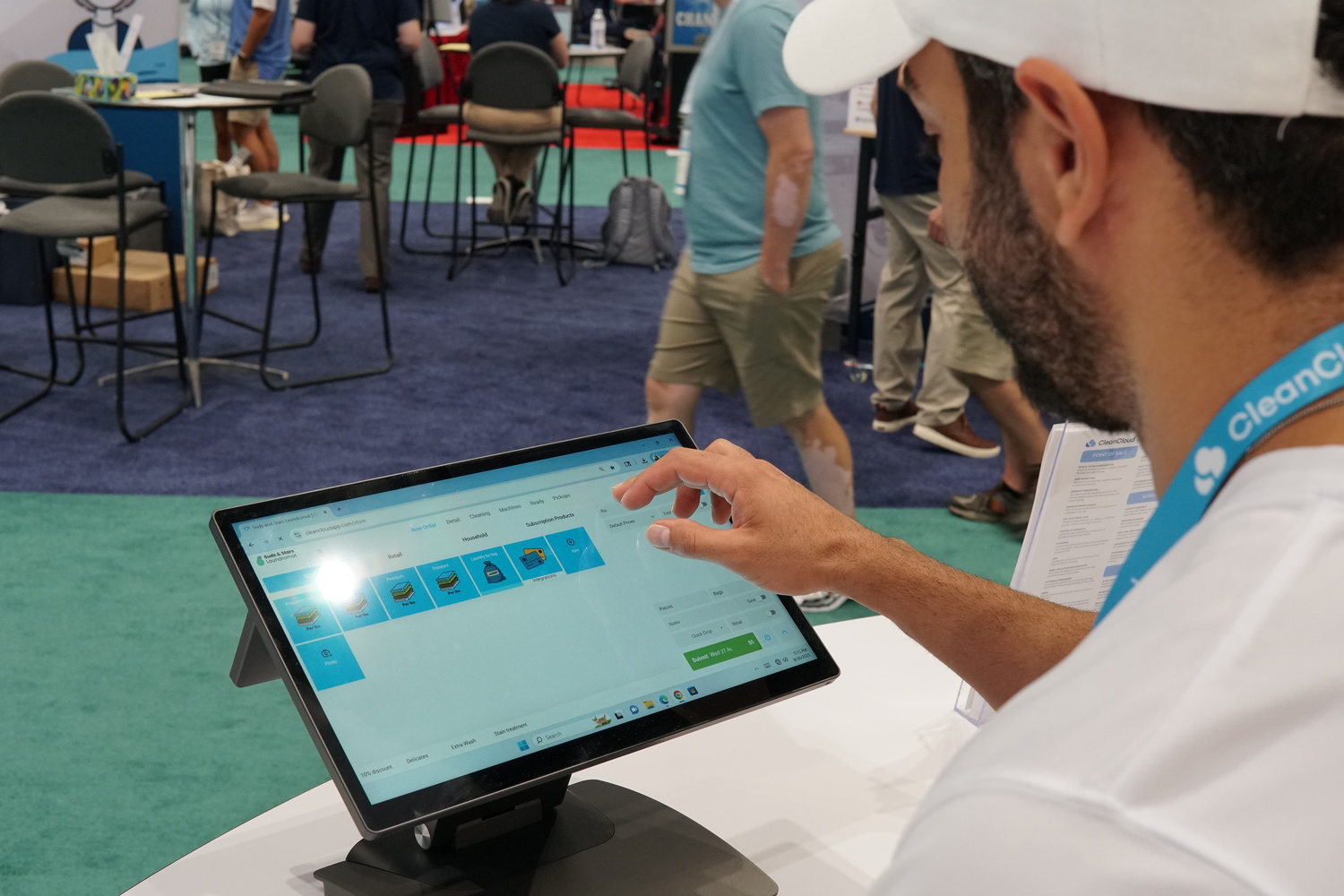
That moment stuck with me because it captured something I’d been circling for years. CleanCloud has spent a decade building software to manage the complexity of garment care, from POS and order tracking to route management and payments, now serving thousands of locations across 100+ countries. But standing in that plant, watching great software bottlenecked by generic hardware, I realized we’d only solved half the problem.
Running a laundromat means operating in two completely different environments. At the counter, it’s all customer experience: quick drop-offs, specific garment instructions, a line that needs to keep moving. Step through to the plant floor and the world changes. Heat, steam, lint, constant motion. The hardware those two worlds demand could not be more different, and yet most operators are forced to make do with the same off-the-shelf tablets and consumer-grade scanners in both.
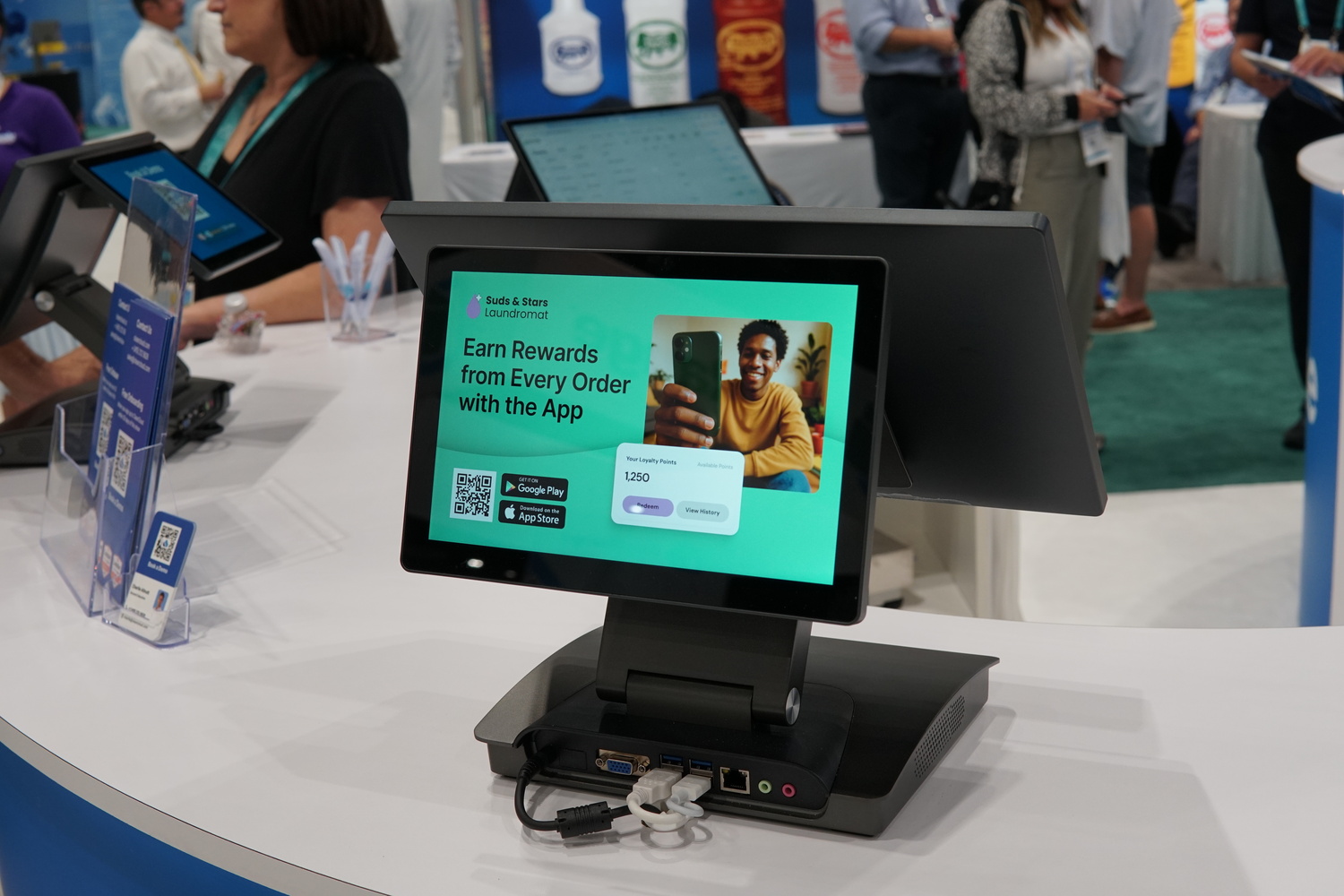
That disconnect is what pushed us to build our first piece of hardware, the CleanCounter. We wanted to replace the clutter of propped-up tablets and tangled cables with a single, purpose-built terminal for the front desk. When we added a second, customer-facing screen, something unexpected happened.
Operators told us their customers started engaging differently, watching their order basket update in real time, reviewing charges before paying, signing digitally. It changed the dynamic from transactional to transparent. That taught us something important: when you design hardware and software together, you don’t just remove friction. You create trust.
Which brings me back to that plant floor in New Jersey. Later this year, we’re launching the CleanCloud LDS, a Laundry Display System built specifically for the sorting and processing side of the operation. We spent months observing how high-volume teams actually work: the angles they hold garment bags at, how quickly they need to move between orders, the humidity and lint that destroy consumer electronics within months. The result is a ruggedized touchscreen with scanning technology that captures barcodes almost instantly, from multiple angles, even when tags are crumpled or faded. That 90-second fumble I watched? It becomes a one-second scan.
What excites me most is not the hardware itself but what it represents. For too long, our industry has had to adapt consumer technology to fit professional laundry environments. We are flipping that around. Every device we build starts with the same question: what does the person actually doing this job need? Sometimes the answer is a cleaner checkout experience. Sometimes it’s a scanner that can keep pace with a 5,000-pound-a-day operation. The answer is always specific to laundry, and that’s exactly the point.
Related Posts
-
Columns and DepartmentsFrom Farm Kid to 22 Locations: How One Operator Used Technology to Build a Modern Laundromat Empire
Dillan Smith thought he was buying a semi-passive business. What he built instead was a technology-driven operation that’s redefining what modern laundromat ownership looks like.
From …
3 min read -
PodcastFrom Corporate Ladder to Laundromat Franchise: Cathy Neilley on Building Spin Doctor
Cathy Neilley spent years working her way through corporate America, from clinical laboratory work at major New York hospitals to pharmaceutical sales, biotech management, and eventually e-commerce an…
3 min read -
PodcastCuriosity and Mentors Make the Difference for Two Women in Laundry Service
In this episode of Full Cycle, Matt DeWolf sits down with two women who have built long careers on the service and maintenance side of the laundry industry: Jennifer Gonzalez, Senior Manager of Servic…
2 min read