
Leading Talent From 1,000 Miles Away Taught Me More Than Any Office Ever Did
The moment I realized talent would make or break my business was not during a hiring decision or a termination conversation, but standing in my kitchen, a thousand miles away from my laundromats, staring at my phone and understanding that I could not fix a people problem by showing up in person.
Leading Talent From 1,000 Miles Away Taught Me More Than Any Office Ever Did
The moment I realized talent would make or break my business was not during a hiring decision or a termination conversation, but standing in my kitchen, a thousand miles away from my laundromats, staring at my phone and understanding that I could not fix a people problem by showing up in person. There would be no walking the floor, no pulling someone aside, no hovering to make myself feel useful. Whatever happened next would depend entirely on trust, or the lack of it.
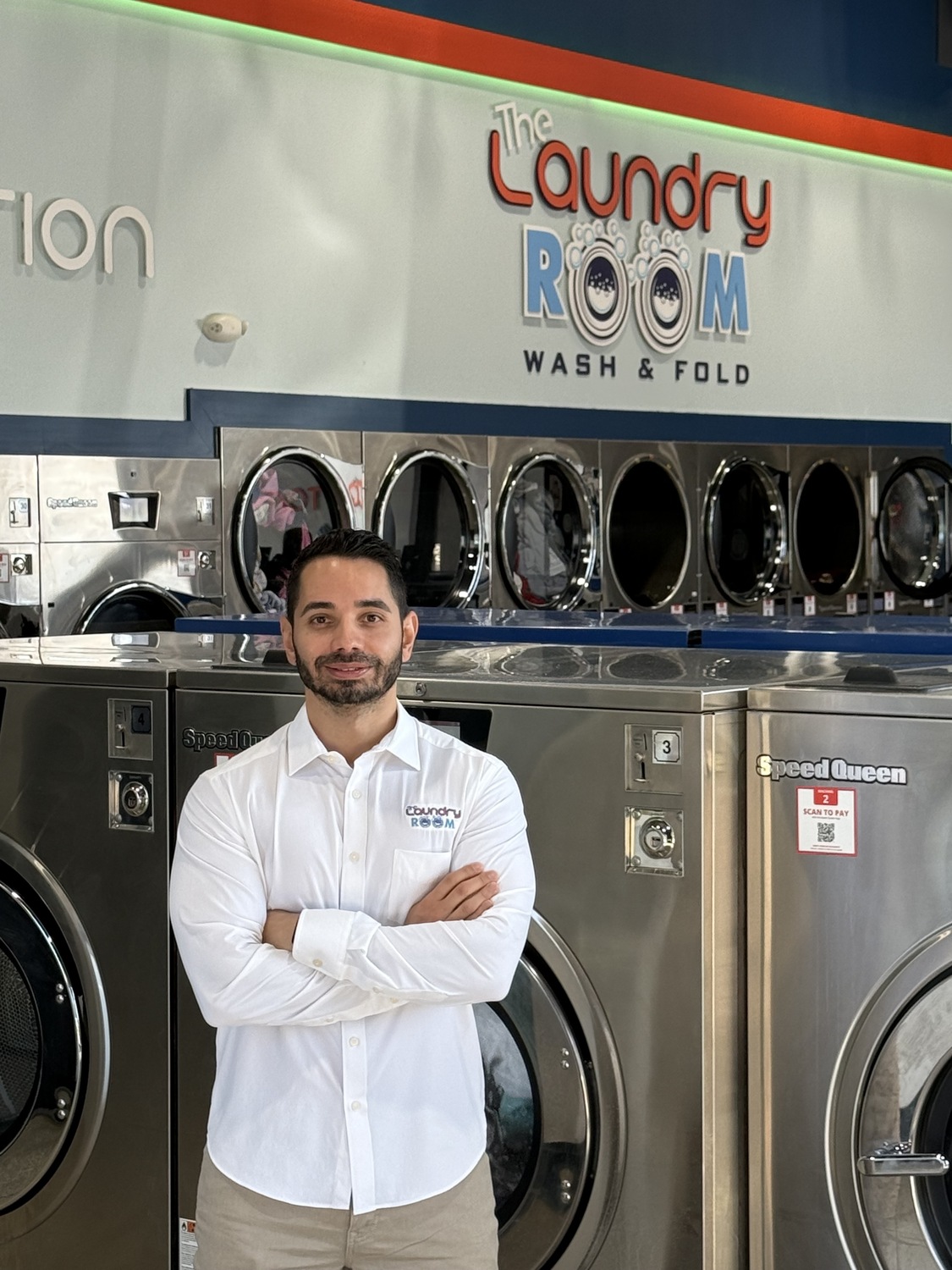
I am a father and a husband first, and before this chapter I spent nearly 10 years in corporate life doing well on paper while quietly knowing it was never my destination. I learned how to present, how to manage up, how to survive inside systems where people often feel interchangeable, like mice running on a wheel that never slows down. Even when you were succeeding, there was a constant awareness that someone else could fill your seat if needed. That feeling stayed with me long after I left, and it is one of the main reasons I view talent differently now.
Running laundromats remotely forces a kind of leadership most companies say they want but rarely allow. When you are not physically present, micromanagement is not an option and losing that crutch exposes what matters.
I cannot watch every interaction, double check every fold or correct every decision in real time. Instead, I must hire carefully, be clear about expectations and then trust people to do the job when no one is watching. What surprised me is how often they rise to it.
One night during a busy evening rush, I got a call about a machine going down with customers waiting and frustration building fast. In my corporate days, this would have triggered a familiar chain of approvals and escalations. Instead, before I could even jump in, one of my attendants stayed late without being asked, called the service technician on their own, moved customers around the store, explained the situation calmly and kept the place running. I found out later they missed a family dinner that night. No one told them to do any of that. They did it because they felt ownership, not pressure, and that moment meant more to me than any performance review I ever sat through.
But trust alone does not keep people. I learned that the hard way the first time one of my best employees told me they were thinking about quitting. It caught me completely off guard. This was someone I trusted deeply, someone who showed up, protected the store and cared. That conversation forced me to confront something uncomfortable. People do not leave because of one bad day. They leave when they stop feeling understood.
Since then, I have become far more intentional about how I keep talent – not through grand gestures, but through consistency. I have regular conversations with my team that have nothing to do with metrics or schedules. I ask what they want more of and what they are worried about. Some people are motivated by money because stability matters more than praise when rent is due. Others want recognition, not applause, but to know their effort is seen. Some want growth, not a title, but progress they can point to. When you know which language someone speaks, leadership stops being generic and starts becoming personal.
There was another moment that cemented this for me when an employee made a mistake that cost us money. In my corporate past, that would have come with a warning, a paper trail, maybe a quiet plan to replace them. Instead, we talked it through. I asked what happened, what they would do differently, and what support they needed next time. They did not quit, instead they got better. And months later, that same person trained someone else through the exact scenario they once struggled with. Trust created accountability, not the other way around.
The distance has taught me something I never learned sitting in an office. When leaders cannot hover, they are forced to build cultures that work without constant supervision. When employees are trusted, many respond by showing up more fully, not less. Accountability becomes shared instead of enforced, and pride starts to replace fear as the motivator.
Talent is not just hiring and firing or training manuals. Especially now, in a world increasingly obsessed with AI-generated playbooks, scripts and systems, it is easy to forget that people are not problems to be solved. Some of the most important moments I have had with employees did not come from a handbook or a dashboard, but from slowing down and talking like two people would if they were sharing a drink after a long day. When you approach someone with that mindset, not as a manager but as a human, the conversation changes. You stop optimizing and start understanding.
Those moments matter more than we realize. A single honest conversation, the kind where someone feels heard without being judged or evaluated, can quietly reshape how an employee sees their role and their future. It can turn a job into a place they choose to stay, not just for the next shift, but for the next few years of their life. For me, building this business from a thousand miles away has not weakened leadership. It has stripped it down to what actually matters. Leadership is not about control or proximity or technology. It is about presence, even from a distance, and the willingness to sit with someone, listen and invest in them one conversation at a time.
Related Posts
-
PodcastCuriosity and Mentors Make the Difference for Two Women in Laundry Service
In this episode of Full Cycle, Matt DeWolf sits down with two women who have built long careers on the service and maintenance side of the laundry industry: Jennifer Gonzalez, Senior Manager of Servic…
2 min read -
Member SpotlightBuilding for the Long Run: How One Long Island Operator Turned Strategic Thinking into Three Thriving Stores
Joseph Musheyev didn’t stumble into the laundry business. The Long Island storeowner came in with intention, armed with research and a clear-eyed understanding that success in this industry depends as…
6 min read -
NewsCLA Advocacy Has Saved Laundromat Owners and Customers $7.4 Billion, Report Finds
Two decades of work in statehouses and Washington kept taxes, mandates and shutdown orders from raising costs across the industry
CLA Advocacy Has Saved Laundromat Owners and Custome…
3 min read